
 Deutsch
 English
 Nederlands
 Italiano
Schwaigermühle – over 430 years of history in Kirchberg in Tirol
A house that has breathed history for centuries – from the old mill to the breakfast guesthouse and now the premium apartments.
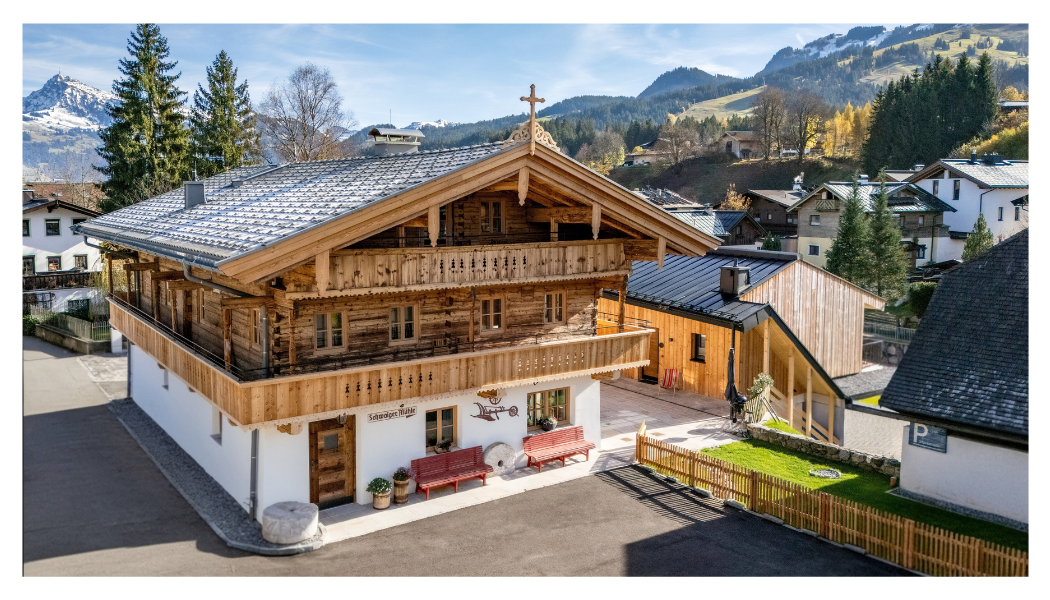
The story of the Schwaigermühle began in 1594 and has been lovingly preserved and continued by our family for around 200 years.
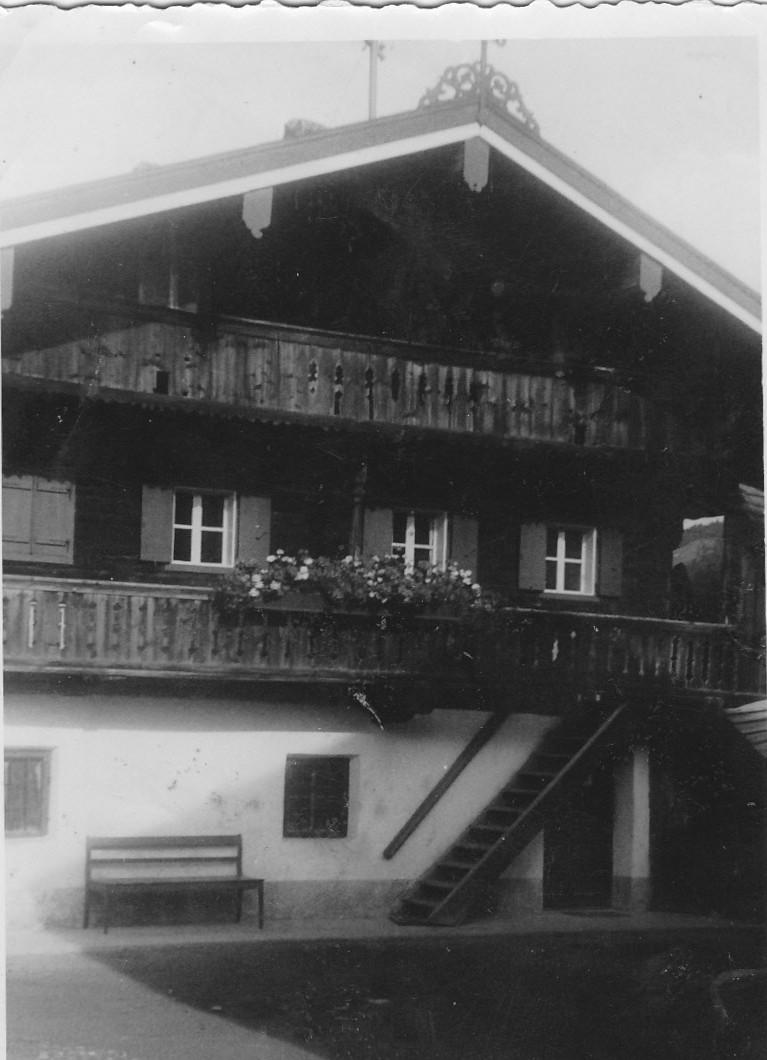
Until 1956, our grandfather actively operated the mill, accompanied by the sound of the Ache and the life surrounding it. In 1959, it transformed into a breakfast guesthouse, a place of encounter and hospitality.
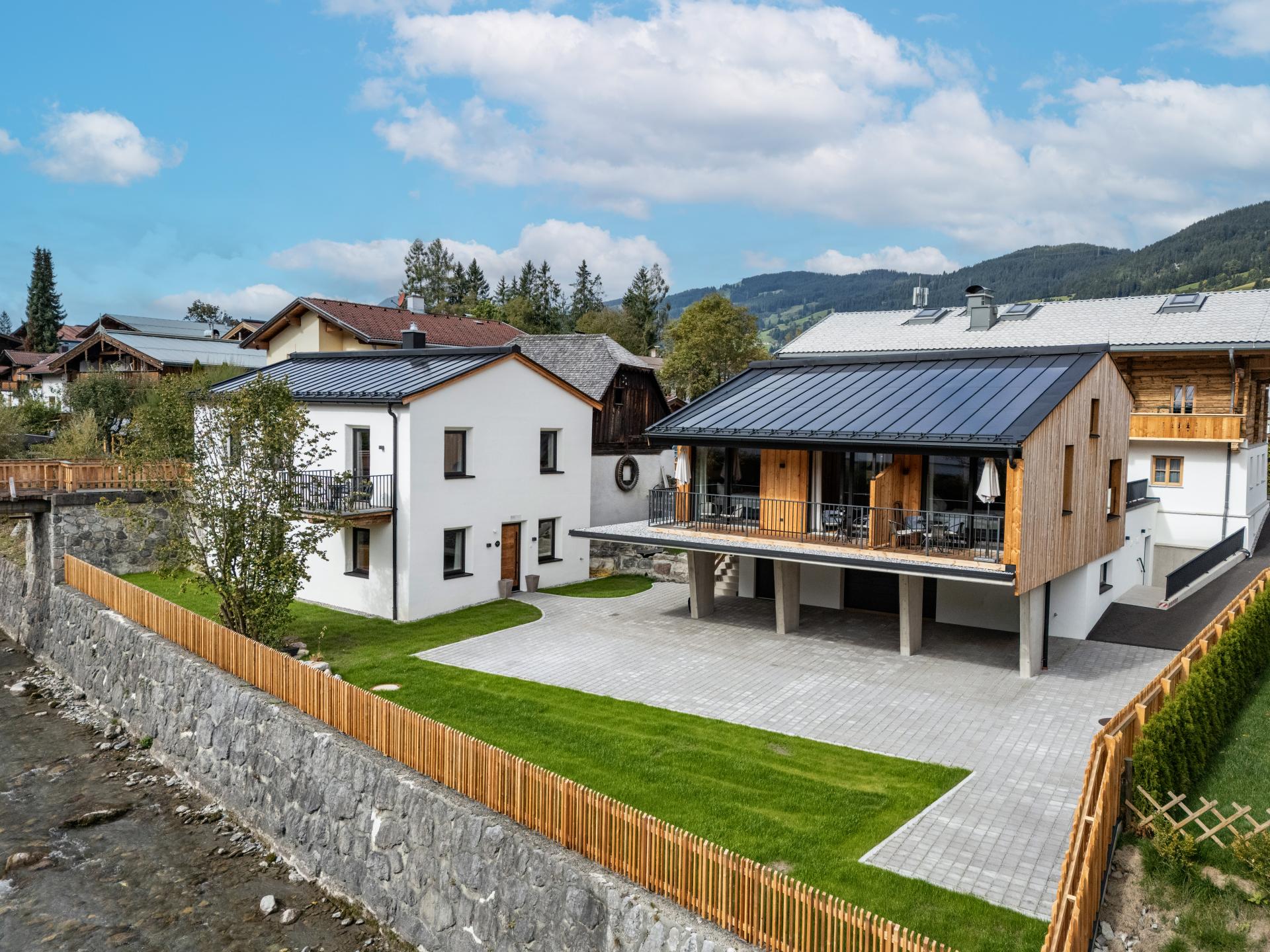
In 2024, the Schwaigermühle was carefully renovated and transformed into stylish apartments that combine historic charm with modern alpine comfort.
Today, the Schwaigermühle is more than just a place to stay – it’s a venue where history remains palpable, families come together, and memories are created.
A temporary home for guests seeking something special and eager to return.
A glimpse into our history
-
The origins of the Schwaigermühle
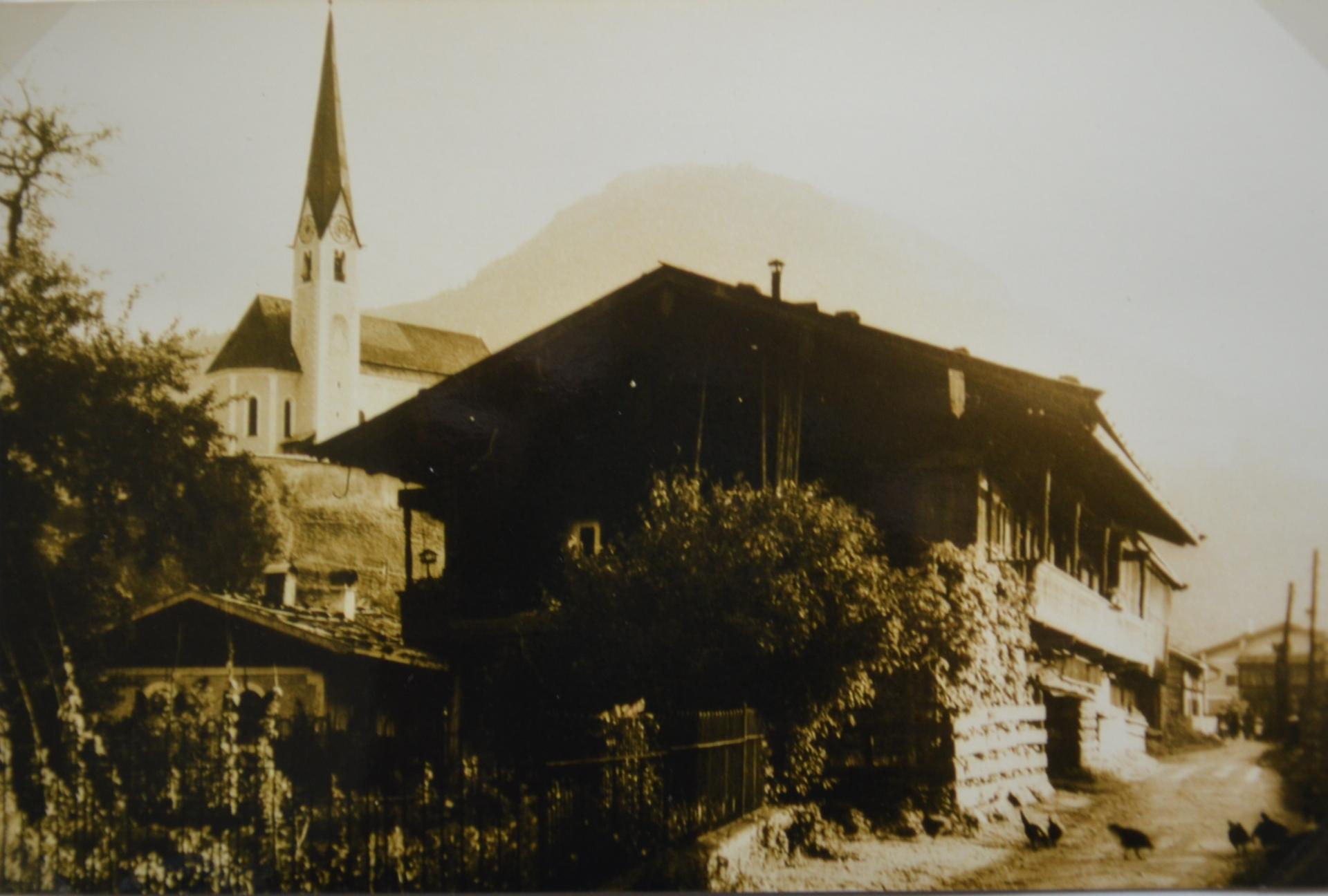
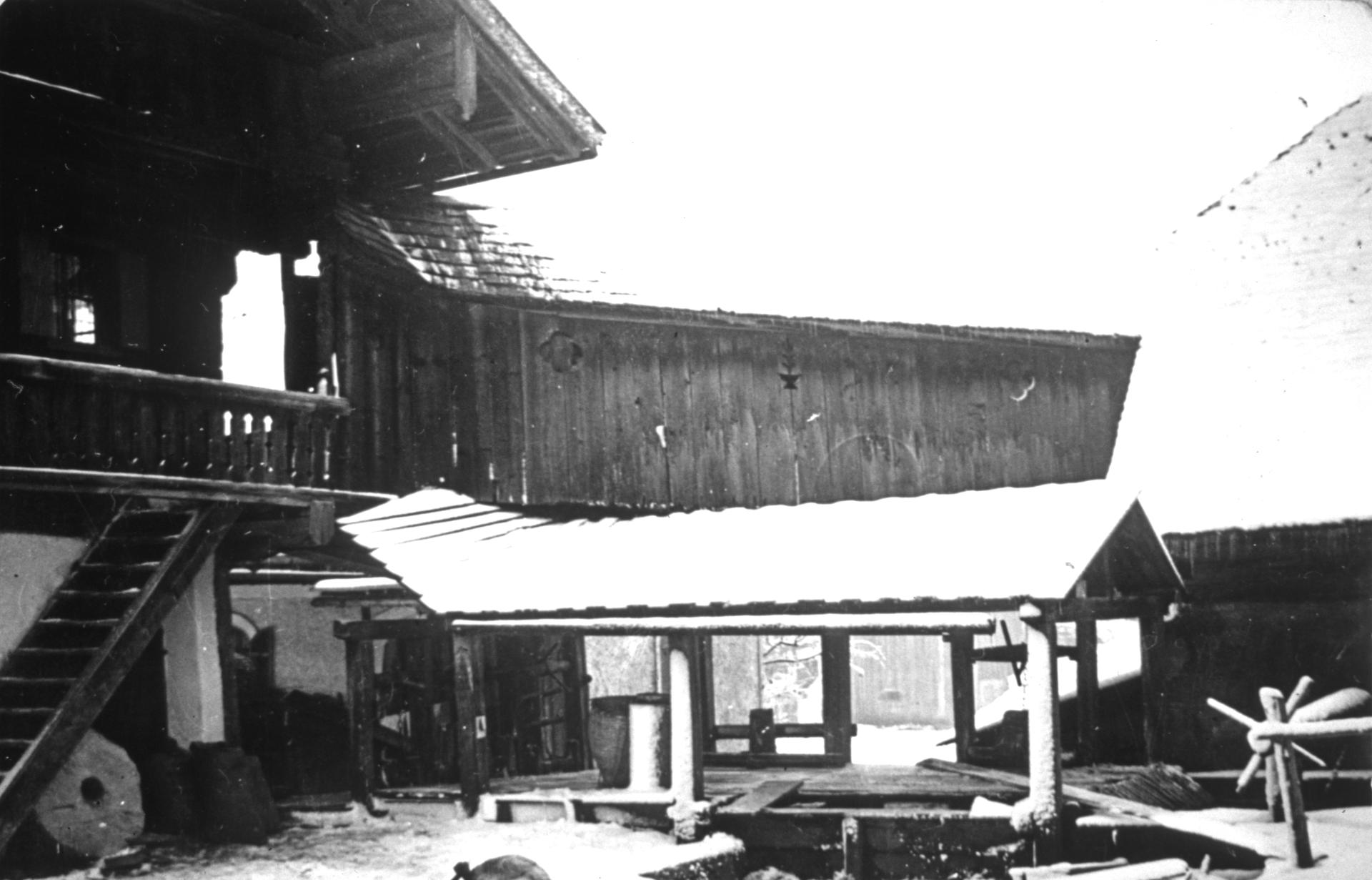
In 1594, the mill building was constructed by Lukas Starz, formerly known as Handlmühle. To this day, it forms the heart of the ensemble, symbolizing history, stability, and true craftsmanship.
-
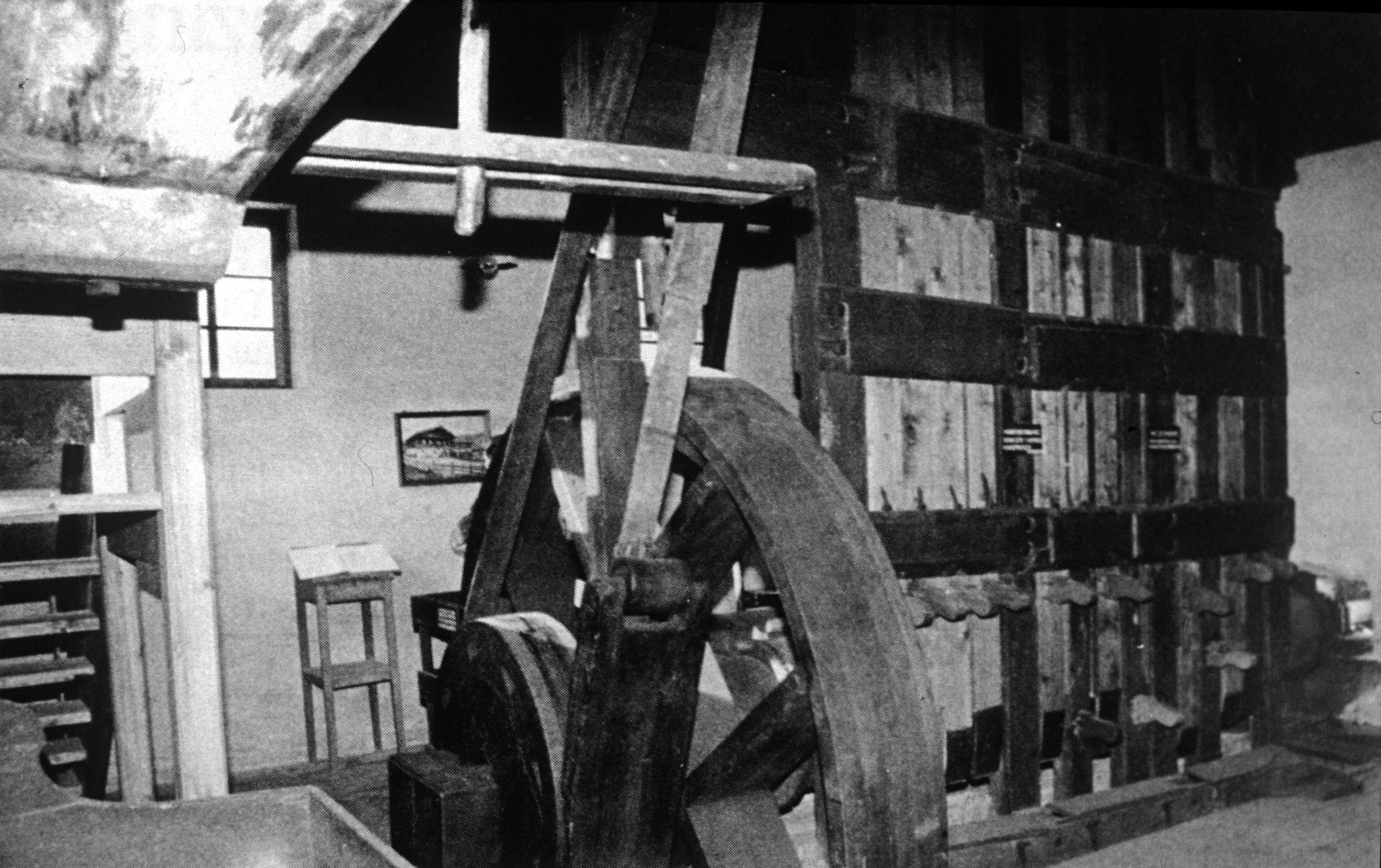
The flax oil mill
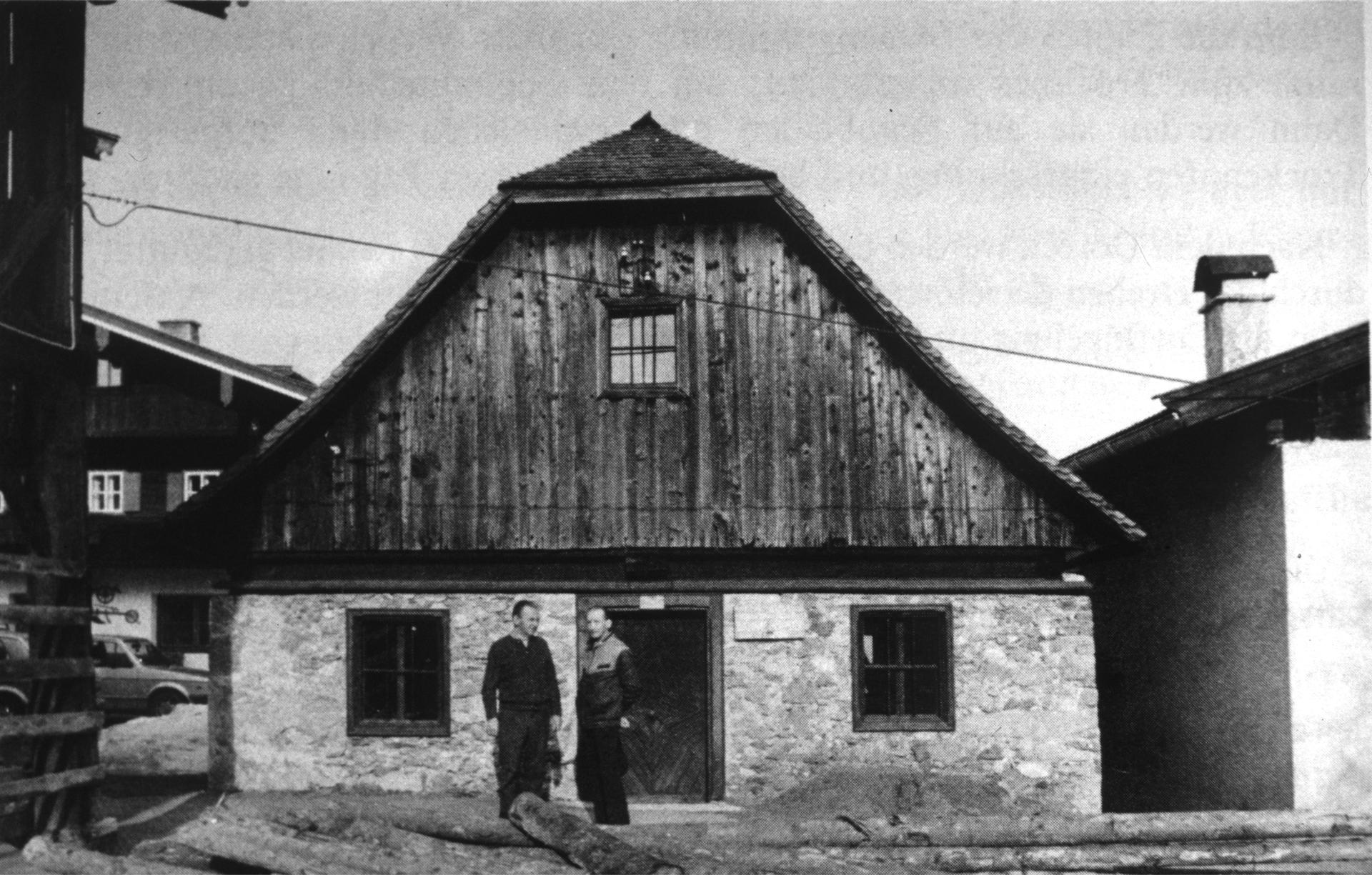
Andrä Aichner established the flax oil mill and received permission for oil production. Twice a year, flax oil was pressed here – a valuable natural product and an important part of life at the time. Today, the oil mill is being restored as a museum.
-
Signs of a fire
Sooty marks in the masonry and the ridge beam dating back to 1723 suggest that the mill was affected by a fire that year – a quiet testament to times gone by.
-
The beginning of the family story
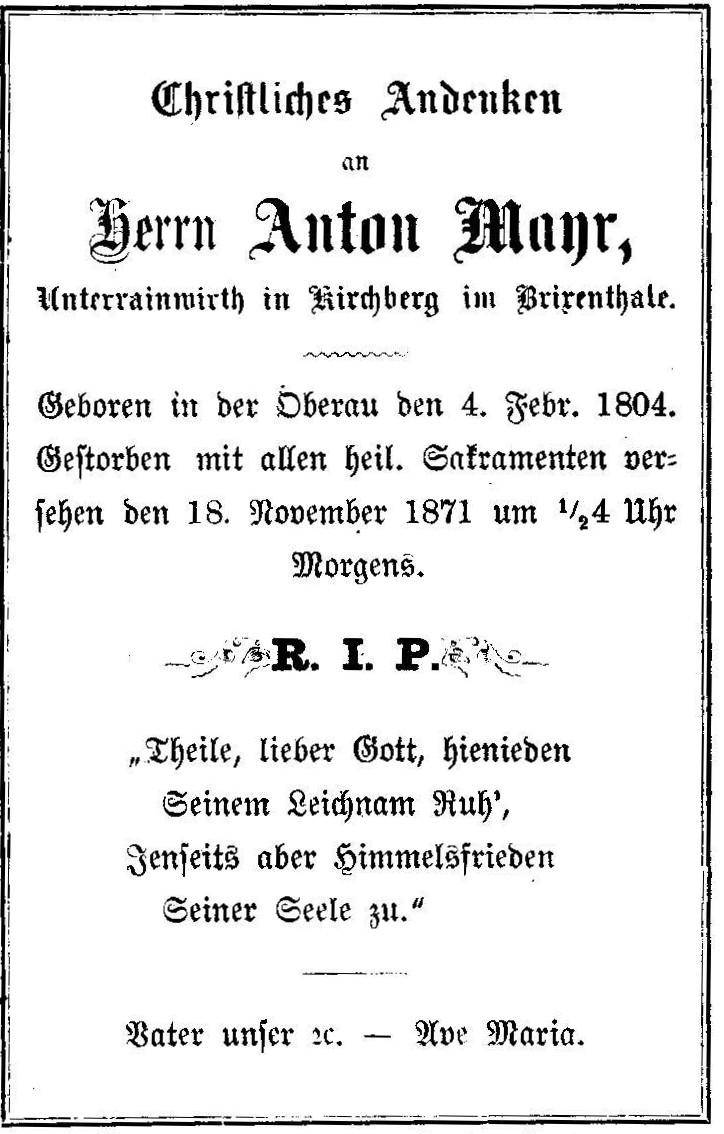
Joseph Mayr purchased the mill for his son Anton and his wife Anna. For nearly 200 years, the Schwaigermühle has remained in family ownership, cherished, preserved, and developed from generation to generation.
-
Gratitude and protection
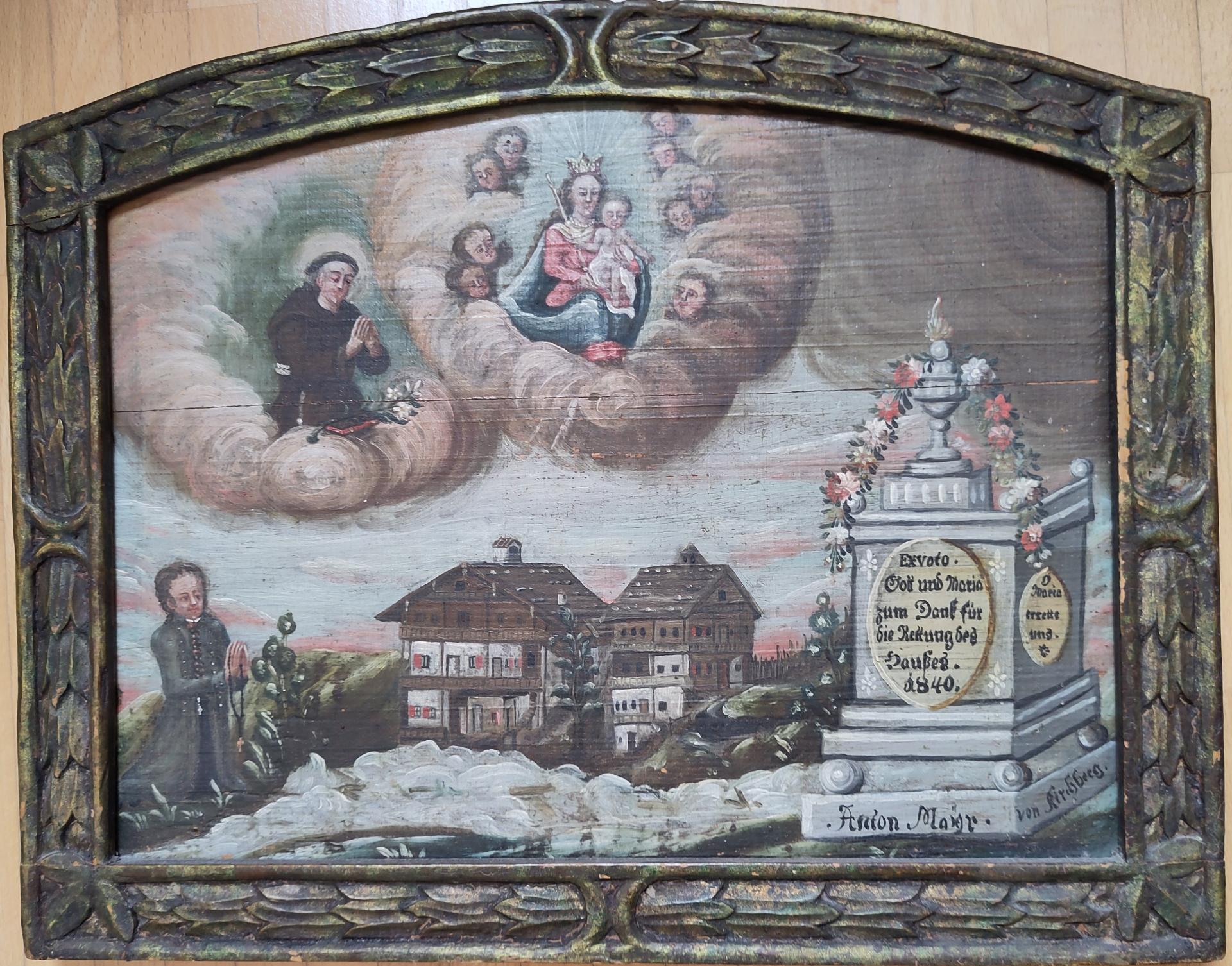
A severe storm strikes Kirchberg, yet the mill remains unscathed. In gratitude, a votive tablet is donated to the Kirchanger chapel – a sign of deep connection to the region.
-
The Zuhäusl is created
The ensemble also included the Zuhäusl, where the miller lived. In addition to operating the mill, pitch was produced here.
-
The wine cellar is established
Originally built as a fisherman's or carpenter's hut, the wine cellar evolved into a significant part of the historic ensemble of the Schwaigermühle. In the basement, schnapps was distilled and later served as an artist's studio.
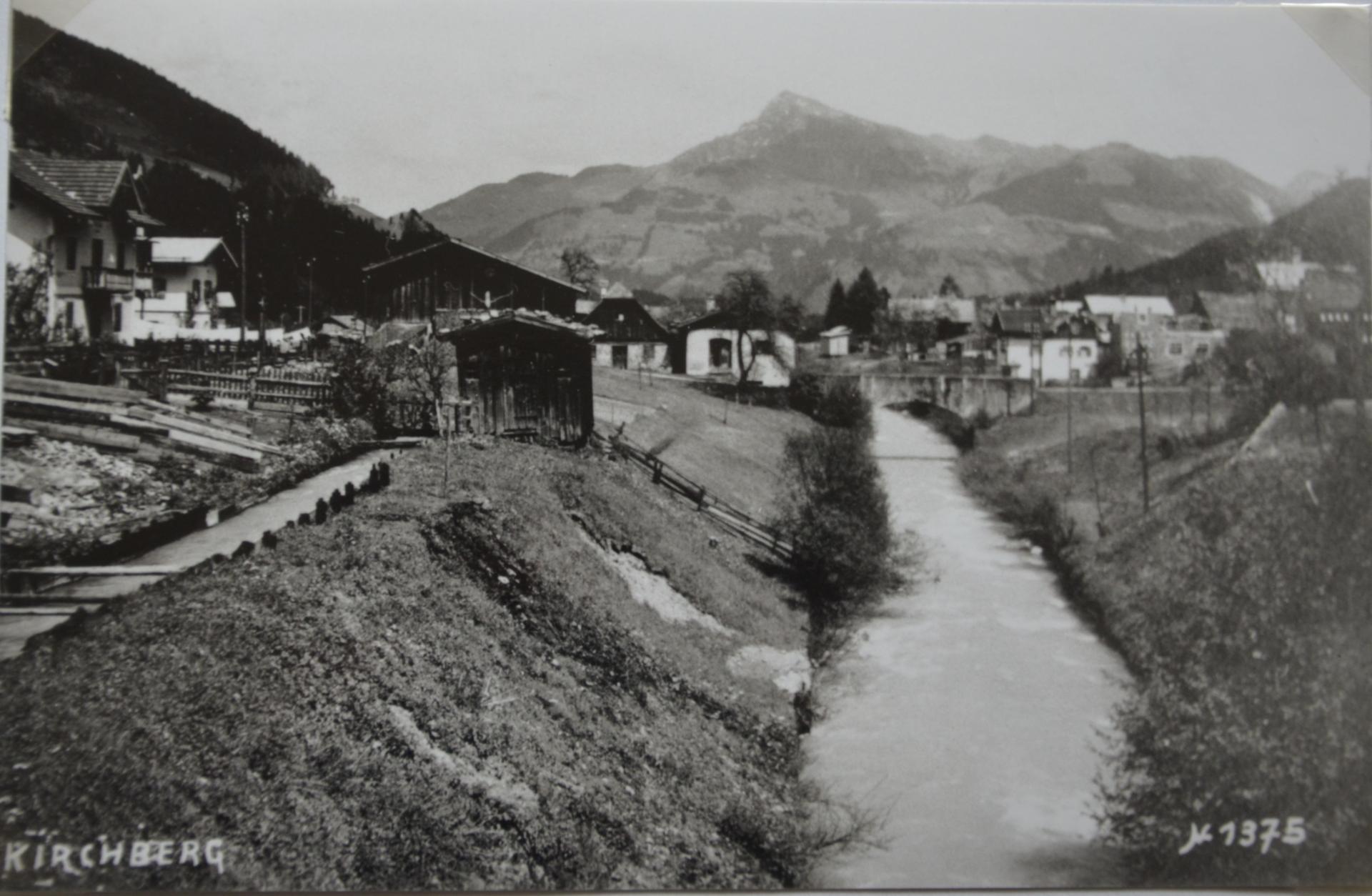
- ~1900
The first electricity in Kirchberg
A direct current generator is installed in the wine cellar, powered by the waterwheel of the flax oil mill. This marks the first electricity generation in Kirchberg – a true piece of pioneering spirit.
-
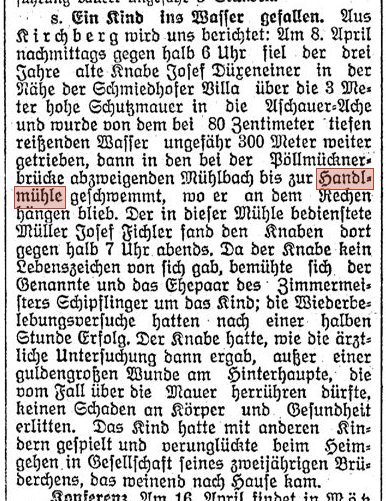
A miracle at the Ache
On April 8, a three-year-old boy falls over the three-meter-high protective wall into the Ache and is carried by the mill stream to the Schwaigermühle (then still Handlmühle). He is found at the rake and successfully revived after 30 minutes – a moving event in the history of the house.
-
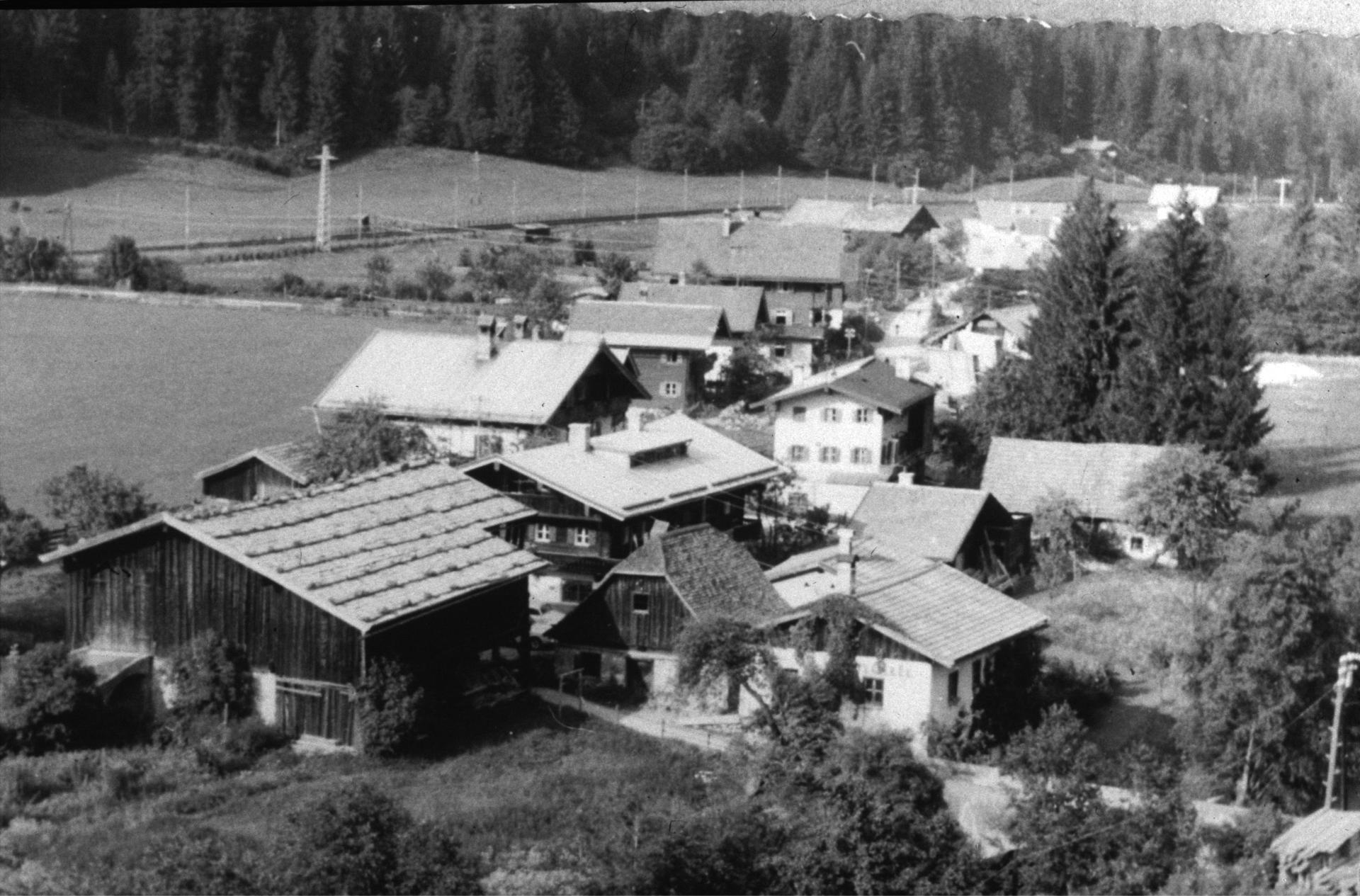
A house full of life
The wine cellar becomes a meeting place: An establishment called 'die Weindiele' is created on the upper floor, turning into a hub of encounter, creativity, and sociability.
-
The flax oil production is discontinued
Flax cultivation becomes increasingly rare, and industrially produced oil is used more frequently. After many years, the traditional flax oil production at the Schwaigermühle also comes to an end – a quiet shift of the times.
-
The last schnapps distillation
This year, schnapps is distilled for the last time in the wine cellar.
-
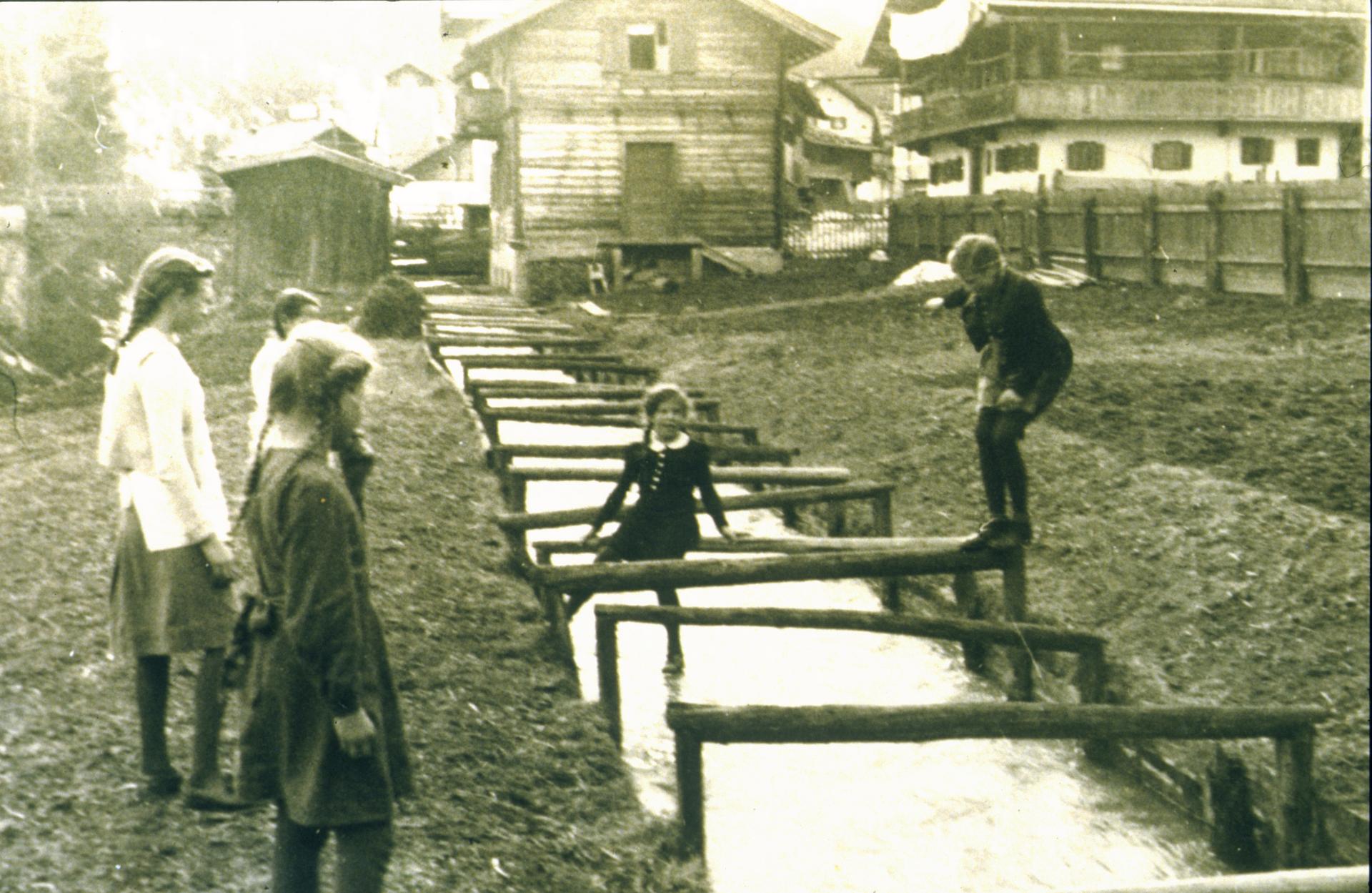
The end of mill operations
After flood damage to the mill stream and changing agricultural conditions (less and less grain is grown), mill operations cease. A significant chapter comes to a close, making way for new beginnings.
-
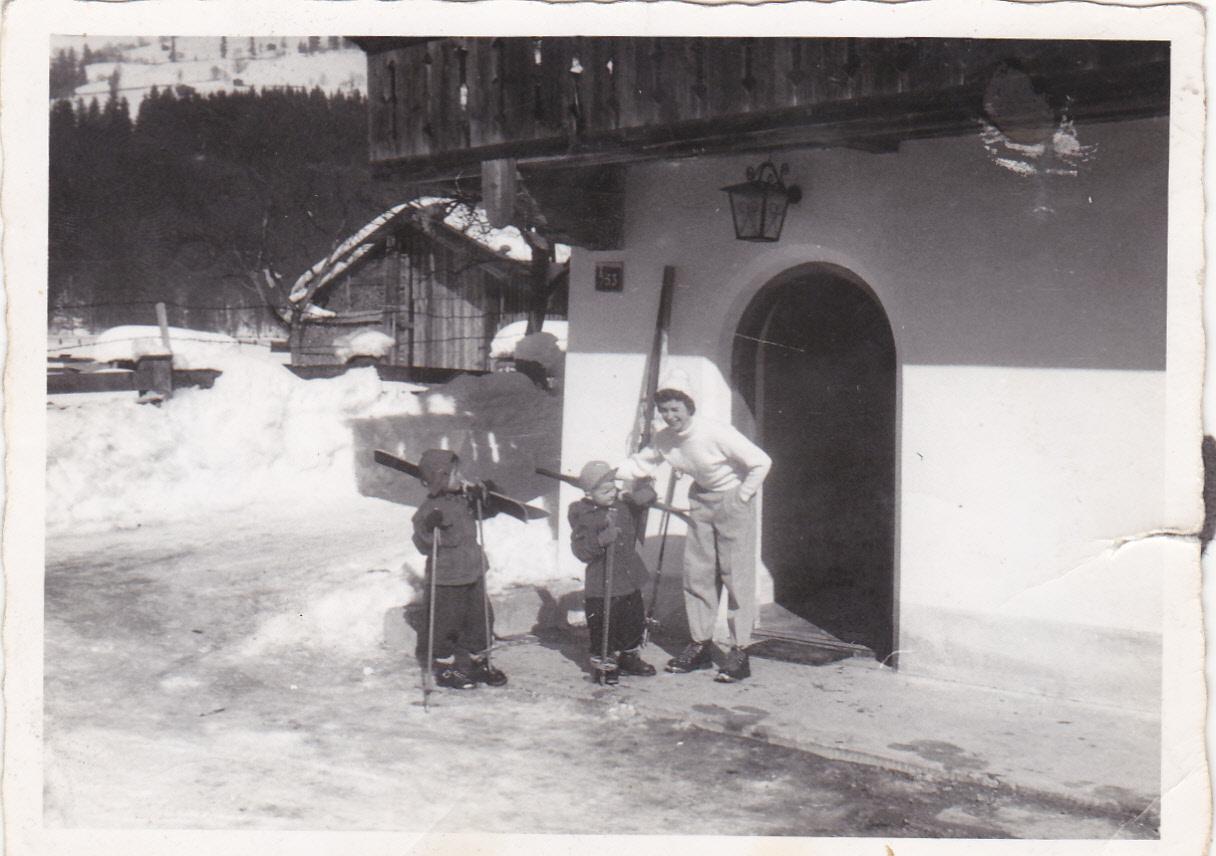
The breakfast guesthouse is established
The mill transforms into a breakfast guesthouse. Guests first find relaxation and hospitality here – the beginning of a new era of arrival and comfort.
-
A new chapter as premium apartments
With great respect for history, the Schwaigermühle has been carefully renovated and transformed into stylish apartments. Today, it combines historic charm with modern alpine comfort.
-
A place that connects history and people
Today, the Schwaigermühle links Tyrolean history with strong family roots, modern architecture, and alpine living comfort. Sustainable construction and loving details create a space that is both authentic and contemporary.
The Schwaigermühle is a place where history is not just told but experienced.